

COINCIDE Focuses On Addressing Three Knowledge Gaps
1
2
3
India has the highest number of children under the age of 5 (64.3 million) developing sub-optimally. Evidence on the independent, cumulative, and interaction effects of multiple co-occurring exposures is minimal, especially beyond the first 1000 days.
Although adult mental health disorders have their origins in childhood and adolescence, there are limited, prospective studies directly investigating determinants of child and adult mental health.
Pathways through which social vulnerability factors interact with exposures through the early years, to lead to specific neurodevelopmental outcomes still remain unclear.
Objectives
To determine the independent, cumulative, and interaction effects of nutritional, psychosocial, and environmental pollutants on concurrent and prospective measures of neurodevelopment and child mental health across the Pregnancy-9-year life course in two diverse birth cohorts in India.
To identify processes through which these determinants interact with specific axes of social inequalities, namely socioeconomic position, gender, social class, and other vulnerabilities at the individual, household level, and neighborhood levels, to result in differential outcomes.
Study Setting
COINCIDE is a longitudinal, prospective cohort study using a mixed-method approach to collect quantitative and qualitative data from two diverse family-based prospective birth cohorts – MAASTHI (located in urban Bengaluru, South India) and SPRING (located in rural Rewari, North India). The MAASTHI and SPRING cohorts represent a wide range of geographic (urban/rural), and cultural (north/south) differences, and possibly diversity also in terms of exposure to pollutants, family food environments, dietary practices, and learning and play opportunities.
MAASTHI
SPRING
Maternal Antecedents of Adiposity and Studying the Transgenerational role of Hyperglycemia and Insulin
Sustainable Program Incorporating Nutrition and Games
Participants, Location, and sample size
Recruited 2962 eligible, consenting pregnant women from 2016-2019 in urban Bengaluru, Karnataka, India.
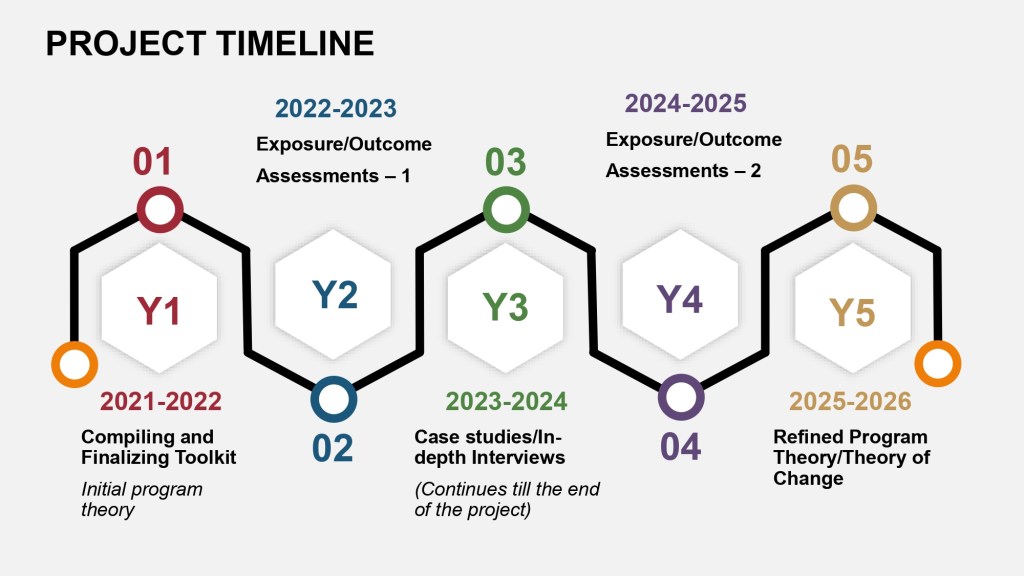
The COINCIDE study will recruit 1000 mother-child dyads in each sweep of data collection (Year 2 and Years 4)
Recruited 1443 eligible, consenting pregnant women from 2014-2015 in rural Rewari, Haryana, India.
The COINCIDE study will recruit 600 mother-child dyads in each sweep of data collection (Year 2 and Years 4)
Parent Institution
Objective
To determine the association between maternal nutritional and psychosocial exposures on infant outcomes; and air pollution exposures from pregnancy to 4 years.
To test an integrated nutrition and child development parental intervention program aimed at promoting nurturing care and responsive caregiving through a cluster randomized controlled trial.
Data
Data includes sociodemographic details, 24-hour
dietary recall, dietary habits, use of tobacco and alcohol (participant and spouse), and physical activity in the women. In addition to obtaining a family history of diabetes and other cardiovascular diseases, obstetric history from all the pregnant women. In addition, between 24 and 36 weeks, all the women were invited to undergo Oral Glucose Tolerance Test.
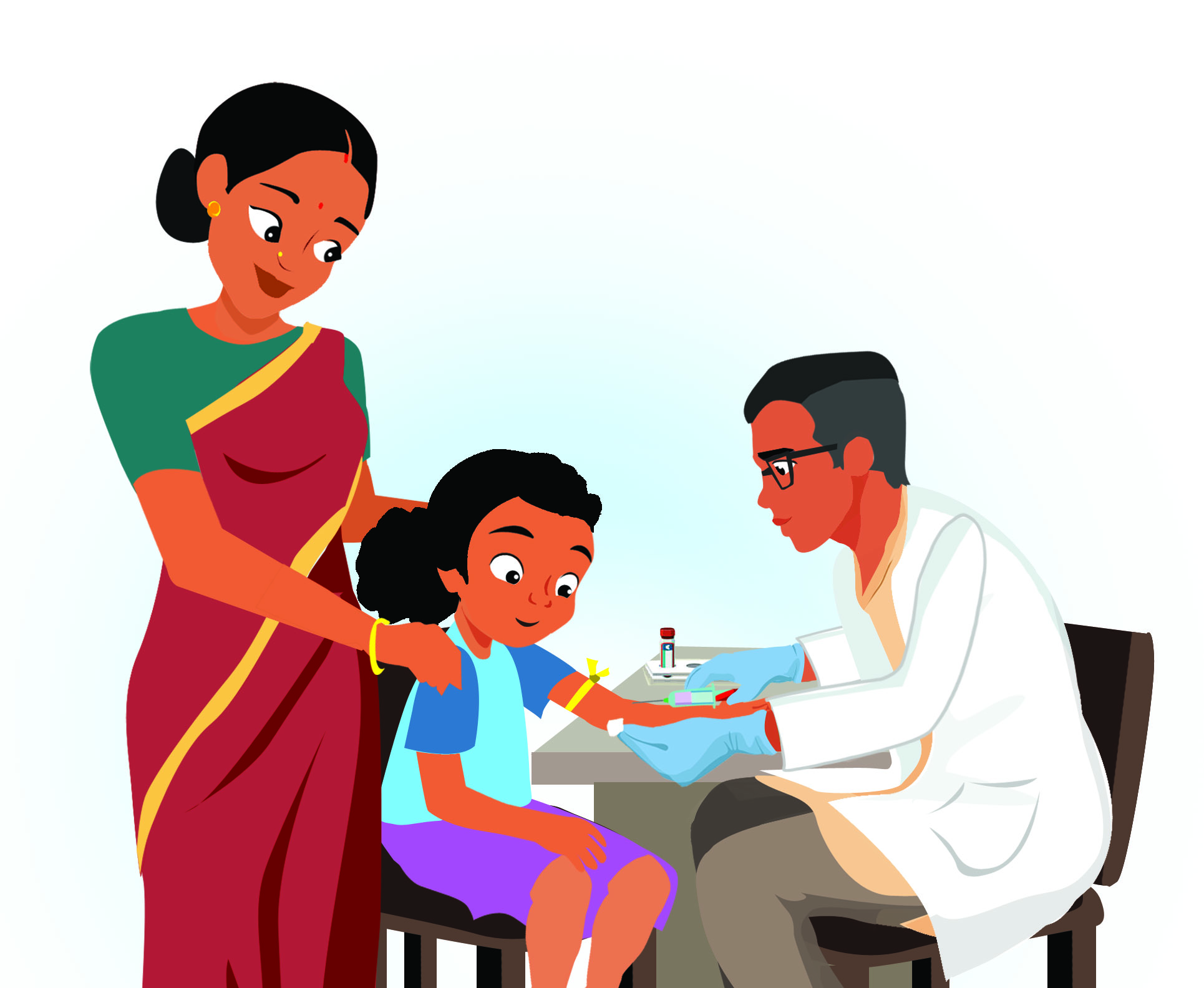
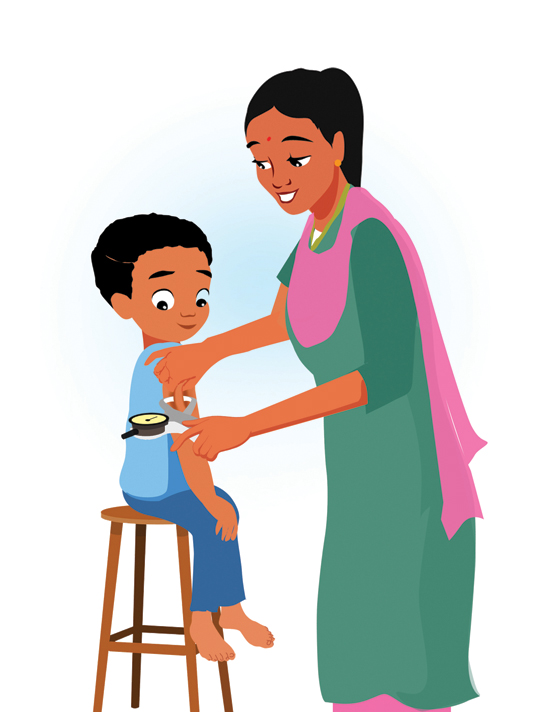
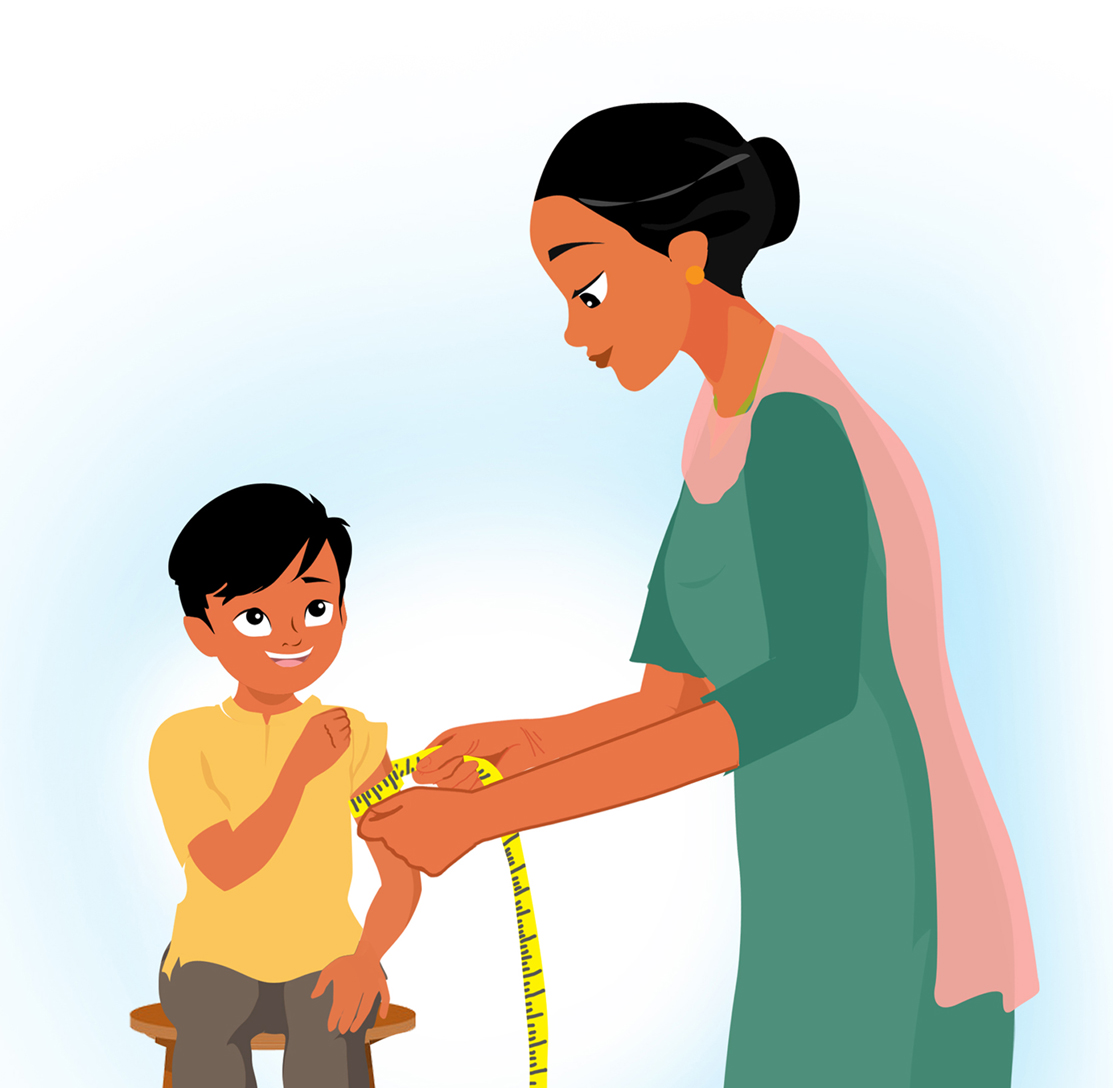
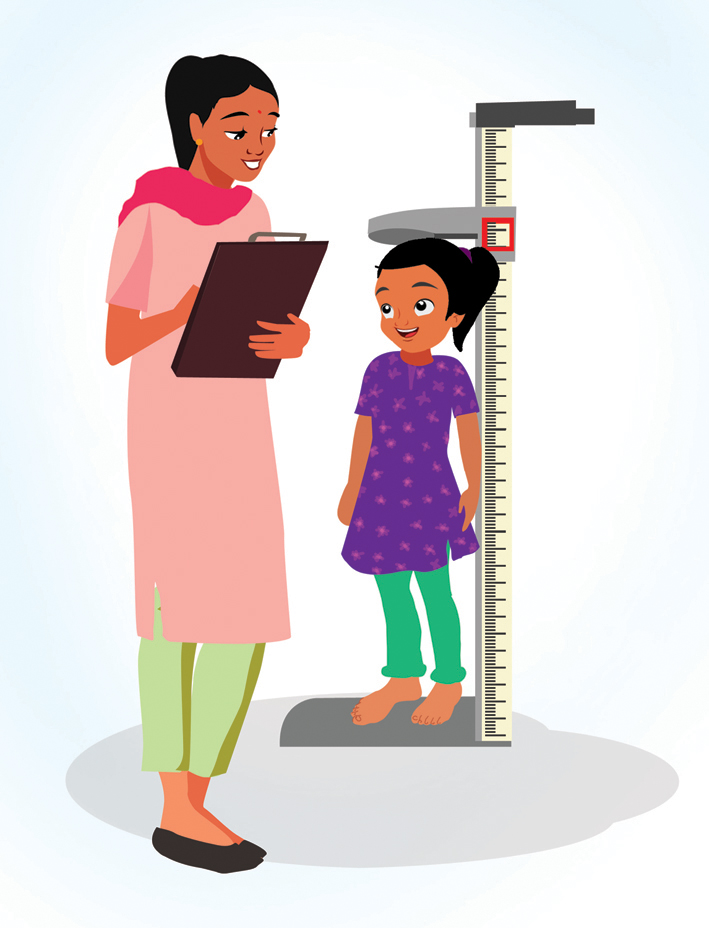
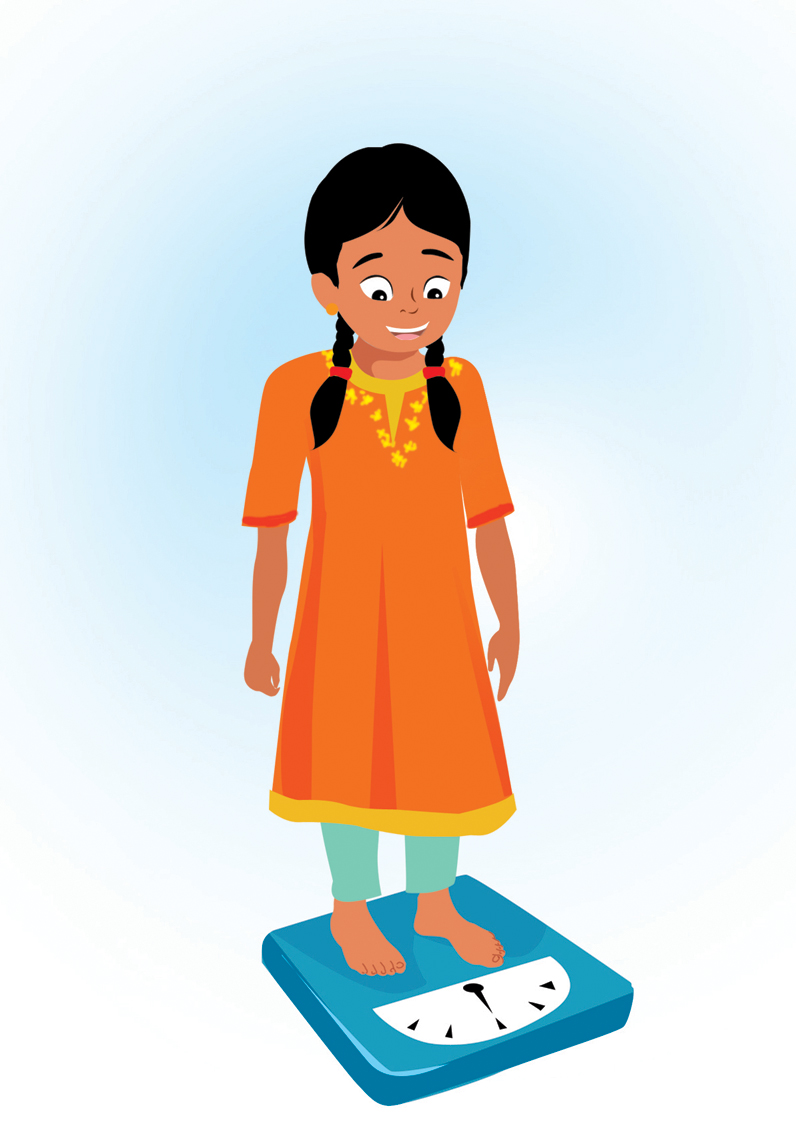
Assessments also included maternal and child anthropometry, Haemoglobin status, depressive symptoms using the Edinburgh Postnatal Depression Scale, and social support in all women. Follow-up
visits involved assessing anthropometry and the health profile of mothers and children.
A total of 32,615 aliquots of plasma & serum samples from pregnant women have been stored for future research.
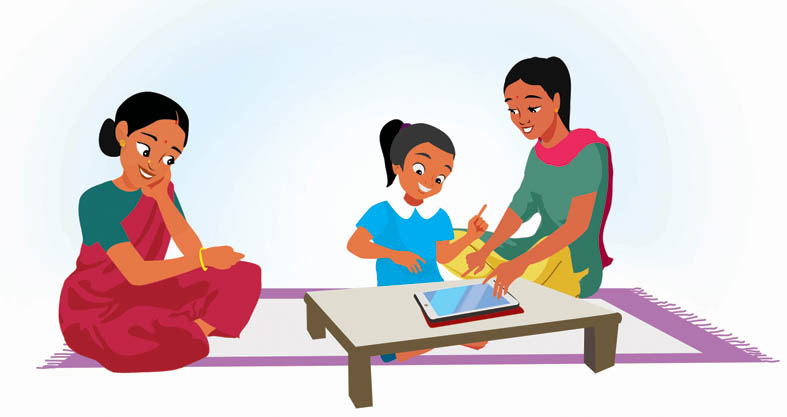
Data includes sociodemographic details including geotagging of HH for their locations, dietary habits of mother and child, child anthropometry, paternal use of tobacco and alcohol. Assessments also included at home ‘learning and playing opportunities’ for children, screening for depression using Patient Health Questionnaire 9 (PHQ-9) and social support among the mothers, and for mothers who faced gender-based violence. Among children, the childhood adversities, hair and saliva cortisol levels were assessed. In addition, an age appropriate, innovative gamified application: was developed DEvelopmental Assessment on an E-Platform (DEEP) to evaluate preschoolers’ cognitive ability during the children’s follow-up at 3 & 5 years. Electroencephalogram (EEG) data among parents (mothers and fathers) and children (at the age of 36 and 60 months). Follow-up visits involved assessing anthropometry and the health profile of mothers and children at the age of 7 years and 9 years.
A sub-study on early life stress assessed the impact of 22 psychosocial adversities in the perinatal period on child outcomes.
Results
Studies consistently demonstrated the intergenerational impact of maternal nutrition and psychosocial environment on infant outcomes, including demonstrations that gestational obesity, gestational diabetes mellitus, breastfeeding practices, and maternal psychosocial stress adversely impact neonatal adiposity and infant size.
Studies demonstrated inverse associations between psychosocial adversities and growth & development at 18 months, and positive associations with increased hair cortisol levels, thereby indicating a putative mechanistic link between adversities & neurodevelopment through the hypothalamus-pituitary-adrenal axis.
Exposure Assessment

Nutritional determinants
COINCIDE will assess the dietary intake of the child through 24-hour dietary recalls, family food environment including nutrition-related beliefs, home resources, frequency of family meals, parent nutrition knowledge & behavior, family support for physical activity, and viewing of television/monitor during mealtimes.

Psychosocial determinants
COINCIDE will assess childhood experiences, related to caregiver mental well-being, stressful life events, quality of the parent-child relationship, opportunities for learning at home, access to preschools/schools, types of child disciplining techniques used, and domestic violence in the home.

Environmental determinants
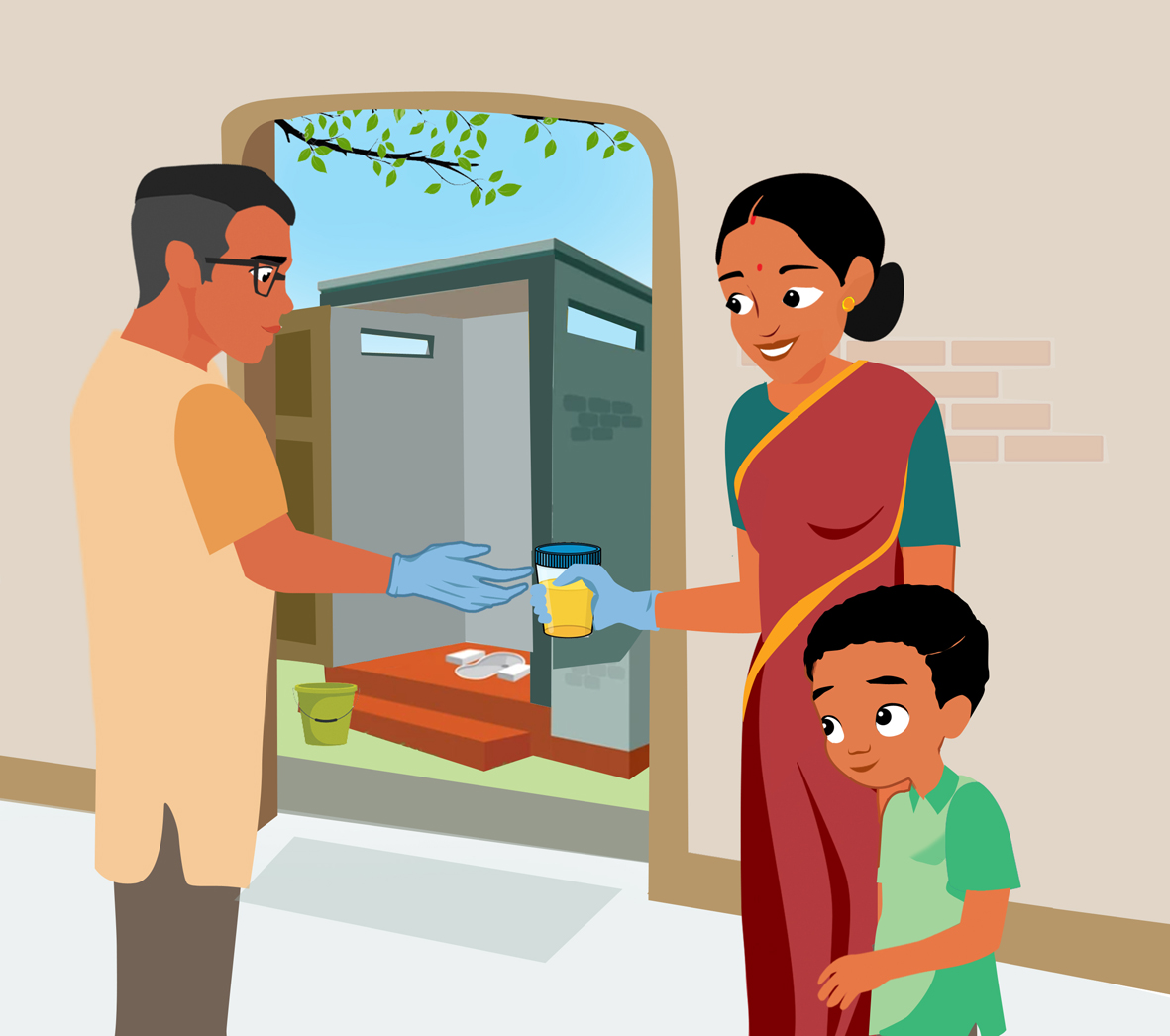
COINCIDE will measure the indoor air pollution (IAP) for daily average PM2.5 concentrations at the household level in a subsample (N = 200) using portable air monitors. Monitors will be installed for 24 hours in a representative indoor location and will be repeated in two seasons to account for seasonal variations. Ambient air pollution will be assessed using data from a novel and comprehensive machine-learning model developed by PHFI. Exposure to heavy metals and pesticides will also be assessed.


Outcomes Assessment



Impact
The research infrastructure of COINCIDE will be a comprehensive and valuable resource for global health research through means of the data and stored samples, representative cohort data from India, validated measures of risk factors, well-trained field workers, data collection procedures with easy retrieval and safe storage of exposure and outcome data, biobank and linkages with the health, education and environmental department data.
Scientific

Capacity Building

Policy, Practice & Dissemination

- Describe the independent, cumulative, & interaction effects of exposures on neurodevelopment and child mental health across the first decade of life.
- Develop a multicomponent intervention framework to refine the content of existing ECD interventions.
- Validate and generalize innovative methods of digital child development assessments and retrospective ambient air pollution models.
- Seed an institutional network of premiere Indian Institutes with the aim to build a global research consortium on child development.
- Research and leadership capacity building of early and mid-career investigators across research disciplines.
- Generate LMIC-based resources for global health research across the first decade in diverse Indian settings.
- Dissemination of results via various national and international fora viz. workshops, conferences, invited talks, peer-reviewed publications, public engagement activities, and various forms of media.
- Establish strong linkages with nutrition and health programs in India. Through our efforts, we hope to develop the system and eventually make it possible to integrate useful discoveries with the instruments and guidelines of both national and international health organisations.
 Nutritional, psychosocial, and environmental determinants of neurodevelopment and child mental health